
Will vs. Revocable Living Trust: Which Is Right for Your Estate Plan?
Crosswhite Law | Estate Planning
Estate planning is not one-size-fits-all. The right combination of legal tools depends on your goals, assets, and family situation. One of the most common questions clients ask is whether a will or a revocable living trust is the better option.
Understanding how these tools work—and how they differ—can help you make an informed decision about what best protects your legacy.
What Is the Difference Between a Will and a Revocable Living Trust?
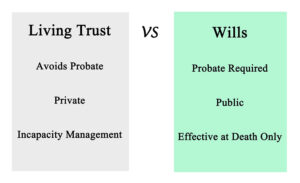
A will is a legal document that outlines how your assets should be distributed after your death. Wills only take effect upon death and must go through the probate process, where the court oversees the administration and distribution of your estate.
A revocable living trust, sometimes called an “inter vivos trust,” is a legal entity created during your lifetime to hold and manage assets. You typically serve as the trustee while you are alive, maintaining full control. Upon your death, the trust assets are transferred directly to beneficiaries without going through probate.
Key Differences Between a Will and a Trust
Probate, Time, and Cost
A will is generally simpler and less expensive to create upfront. However, after death, it must go through probate, which can be time-consuming, public, and involve court costs and legal fees.
A revocable living trust typically requires more time and expense to establish. However, it allows assets to pass directly to beneficiaries, avoiding probate and often reducing delays and administrative costs for your family.
Control Over Asset Distribution
A trust offers greater flexibility and control over how and when assets are distributed. For example, you can:
- Delay distributions to younger beneficiaries
- Structure staggered or conditional distributions
- Provide long-term asset management
A will generally provides more limited control and only distributes assets outright after probate. It also only applies to assets owned in your name at the time of death.
Out-of-State Property
If you own real estate in multiple states, a will may require separate probate proceedings in each state, increasing time and cost.
A revocable living trust can hold and distribute property across state lines without the need for multiple probate cases, simplifying administration.
Planning for Incapacity
Both wills and trusts can be updated during your lifetime. However, a will does not provide functionality during incapacity.
A revocable living trust allows you to name a successor trustee who can step in and manage your assets if you become incapacitated, providing continuity without court intervention.
Important Limitations of Revocable Living Trusts
While trusts offer flexibility and efficiency, they are not a complete solution on their own.
A revocable living trust:
- Does not protect assets from creditors
- Does not eliminate estate taxes by itself
- Only controls assets that are properly transferred into the trust
Because of this, most individuals with a trust also use a pour-over will, which directs any assets not titled in the trust to be transferred into it after death.
Do You Need a Will, a Trust, or Both?
For some individuals, a well-drafted estate plan consisting of a will, power of attorney, and healthcare directives may be sufficient.
For others, adding a revocable living trust provides additional control, privacy, and efficiency—especially for those with:
- Real estate in multiple states
- Minor children or complex family dynamics
- Significant or growing assets
- A desire to avoid probate
Importantly, trusts are not just for high-net-worth individuals. They can be customized to meet the needs of individuals and families at many different stages of life.
Work with an Experienced Estate Planning Attorney
Choosing between a will and a trust—and ensuring everything is properly structured—requires careful legal guidance.
At Crosswhite Law, we help individuals and families create estate plans that are clear, effective, and aligned with their long-term goals.
Whether you are starting from scratch or updating an existing plan, our attorneys will guide you through each step of the process so you can make confident, informed decisions.
Schedule a confidential consultation today:
📞 (704) 873-7233