

News & Articles

Estate Planning for Digital Assets: How to Protect Your Online Accounts and Information
Crosswhite Law | Estate Planning One of the most commonly overlooked aspects of estate planning is digital assets. While many people think of digital assets as financial accounts like cryptocurrency…

Estate Planning Isn’t Just for After Death—Here’s How It Protects You Now
Crosswhite Law | Estate Planning Many people assume estate planning is only about what happens after death. In reality, a well-designed estate plan can protect you during your lifetime, especially…

How Often Should You Review Your Will and Estate Plan? When to Update Your Documents
Crosswhite Law | Estate Planning Creating a will or estate plan is an important step, but it is not a “set it and forget it” task. To remain effective, your…

Post-Mortem Estate Planning: Decisions That Matter After Death
Crosswhite Law | Estate Planning & Administration “Post-mortem estate planning” may sound like something that happens after death—and in part, it does. But the ability to make effective post-death decisions…

The Future of Estate Planning Laws: Why You Still Shouldn’t Wait to Plan
Crosswhite Law | Estate Planning For years, estate planning conversations were dominated by one looming question: What will happen when the estate tax exemption sunsets in 2026? Now we have…
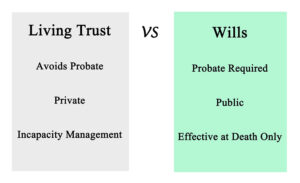
Will vs. Revocable Living Trust: Which Is Right for Your Estate Plan?
Crosswhite Law | Estate Planning Estate planning is not one-size-fits-all. The right combination of legal tools depends on your goals, assets, and family situation. One of the most common questions…

Year-End Estate Planning Checklist: Maximizing Your Financial Health
As the year draws to a close, it’s the perfect time to review your estate planning and financial strategies. Taking a proactive approach can help you optimize tax-saving opportunities, maximize…
What is a Will?
A will, formally known as a Last Will and Testament, is a legal document that allows an individual to specify how their estate should be managed and distributed after their…

Inter Vivos and Testamentary Trusts
When it comes to estate planning, most individuals are familiar with the concept of a last will and testament. However, the benefits of trusts are often misunderstood or overlooked. Trusts…

Common Pitfalls in Estate Planning: Avoiding Costly Mistakes
Estate planning is one of the most effective ways to safeguard your assets, care for your loved ones, and ensure your wishes are carried out. However, even small errors can…

Estate Planning for Newlyweds in North Carolina
As newlyweds embark on their journey together, estate planning is rarely top of mind. However, having a carefully crafted estate plan in place is an essential step in securing your…
Ramifications of Failing to Create an Estate Plan
In North Carolina, if you die without a will or estate plan, you are considered to have “died intestate.” This means that your estate will go through the probate process,…
What is a Fiduciary?
A fiduciary is an individual or corporation legally entrusted with the responsibility to manage property for the benefit of another person, referred to as the principal. In the realm of…

North Carolina’s Intestate Estate Administration: Dying Without a Will
When an individual dies without a will in North Carolina, this is referred to as dying intestate. In these cases, North Carolina’s Intestate Succession Laws dictate how the deceased person’s…

Top Estate Planning Attorneys in Statesville, NC: Your Guide to Wills and Trusts
When it comes to protecting your assets and securing your family’s future, having a solid estate plan in place is essential. At Crosswhite Law, our experienced estate planning attorneys in…

Elective Share Proceedings in North Carolina
Understanding Elective Share Laws In North Carolina, surviving spouses are protected from being treated unfairly under the state’s elective share laws. These laws allow a surviving spouse to “elect” to…

Understanding the Different Types of Trusts
Trusts are essential tools in estate planning, providing flexibility, control, and tax benefits. There are two primary types of trusts based on how they are established: living trusts and testamentary…

Timeline of Chores for Estate Administrators
Checklist for first 90 days Administering an estate is no small task. There are many things to accomplish in a compressed amount of time and these chores often take place…

Do I Need a Trust?
One of the most common questions in estate planning is, “Do I need a trust?” The answer depends on your unique situation and goals. Everyone should have a will; however,…

What is Estate Planning and Why Do I Need It?
What Is Estate Planning? Everyone has an estate, no matter how modest. Your estate includes your home, car, checking and savings accounts, retirement accounts, investments accounts, life insurance, other real…