

Estate Planning
Estate Planning for Digital Assets: How to Protect Your Online Accounts and Information

Crosswhite Law | Estate Planning One of the most commonly overlooked aspects of estate planning is digital assets. While many people think of digital assets as financial accounts like cryptocurrency or online banking, they also include personal and sentimental items such as email accounts, social media profiles, and cloud storage. Despite owning a wide range…
Read MoreEstate Planning Isn’t Just for After Death—Here’s How It Protects You Now

Crosswhite Law | Estate Planning Many people assume estate planning is only about what happens after death. In reality, a well-designed estate plan can protect you during your lifetime, especially in the event of illness, injury, or incapacity. Because every individual’s family dynamics, assets, and long-term goals are different, estate planning is not one-size-fits-all. Unfortunately,…
Read MoreHow Often Should You Review Your Will and Estate Plan? When to Update Your Documents

Crosswhite Law | Estate Planning Creating a will or estate plan is an important step, but it is not a “set it and forget it” task. To remain effective, your estate planning documents must evolve with your life, your assets, and the law. As a general rule, you should review your will, trust, power of…
Read MorePost-Mortem Estate Planning: Decisions That Matter After Death

Crosswhite Law | Estate Planning & Administration “Post-mortem estate planning” may sound like something that happens after death—and in part, it does. But the ability to make effective post-death decisions depends heavily on the planning you do during your lifetime. By building flexibility into your estate plan now, you give your executor, trustee, and loved…
Read MoreThe Future of Estate Planning Laws: Why You Still Shouldn’t Wait to Plan

Crosswhite Law | Estate Planning For years, estate planning conversations were dominated by one looming question: What will happen when the estate tax exemption sunsets in 2026? Now we have an answer. Recent legislation eliminated the expected sunset of the Tax Cuts and Jobs Act (TCJA) exemption levels. Instead of dropping in 2026, the federal…
Read MoreWill vs. Revocable Living Trust: Which Is Right for Your Estate Plan?
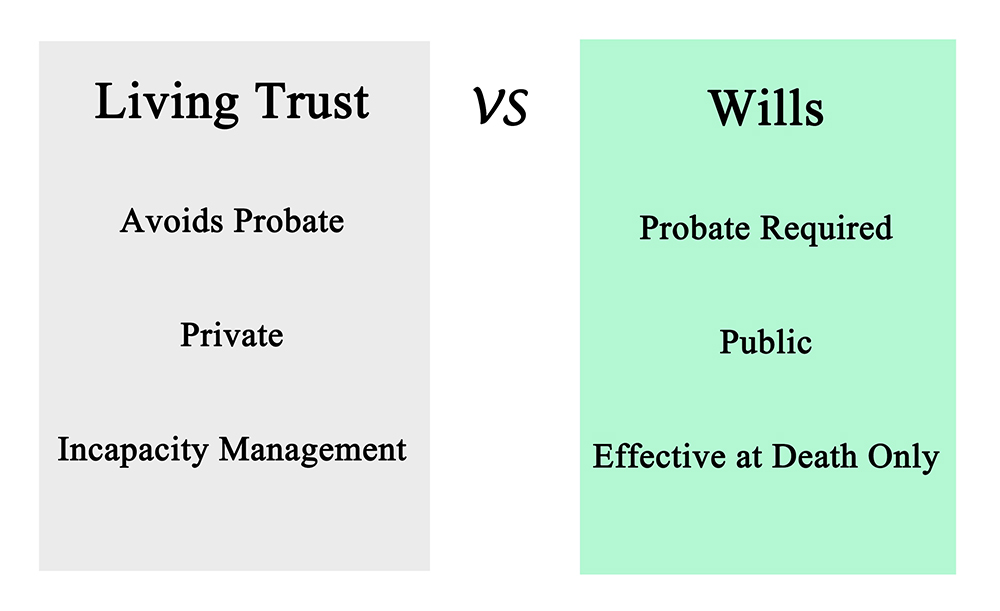
Crosswhite Law | Estate Planning Estate planning is not one-size-fits-all. The right combination of legal tools depends on your goals, assets, and family situation. One of the most common questions clients ask is whether a will or a revocable living trust is the better option. Understanding how these tools work—and how they differ—can help you…
Read MoreYear-End Estate Planning Checklist: Maximizing Your Financial Health

As the year draws to a close, it’s the perfect time to review your estate planning and financial strategies. Taking a proactive approach can help you optimize tax-saving opportunities, maximize gifting allowances, and ensure your estate plan reflects your current wishes. At Crosswhite Law, we recommend an annual checkup of your financial and estate planning…
Read MoreWhat is a Will?
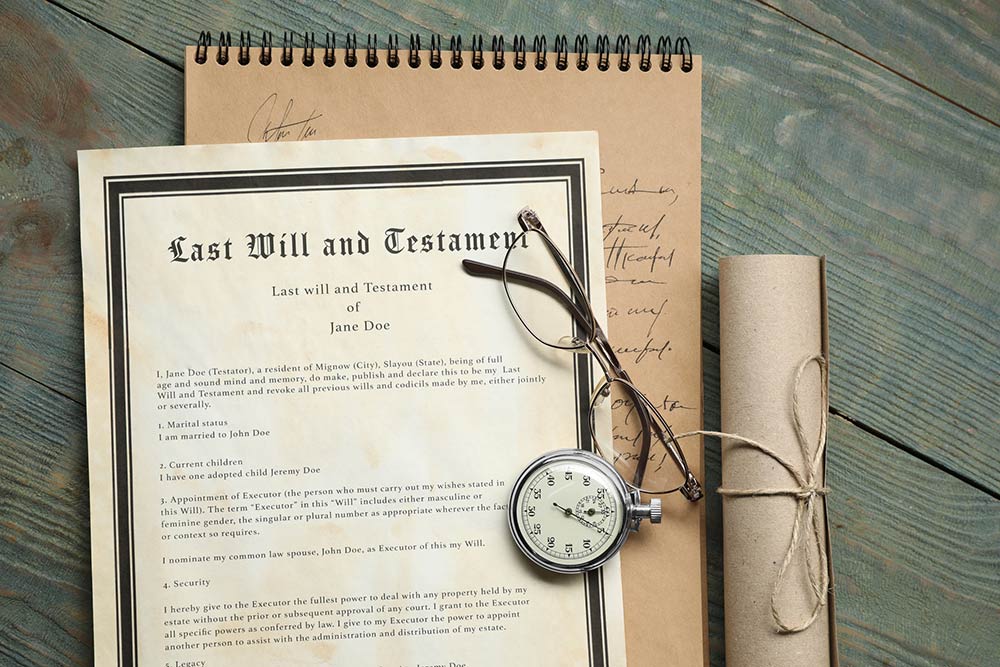
A will, formally known as a Last Will and Testament, is a legal document that allows an individual to specify how their estate should be managed and distributed after their death. By creating a will, the individual, known as the testator, can outline clear directives for asset distribution, appoint key individuals to carry out their…
Read MoreInter Vivos and Testamentary Trusts

When it comes to estate planning, most individuals are familiar with the concept of a last will and testament. However, the benefits of trusts are often misunderstood or overlooked. Trusts offer a flexible and powerful tool for managing and distributing assets, addressing a broader range of needs and objectives than a will can accomplish on…
Read MoreCommon Pitfalls in Estate Planning: Avoiding Costly Mistakes

Estate planning is one of the most effective ways to safeguard your assets, care for your loved ones, and ensure your wishes are carried out. However, even small errors can lead to unintended consequences, such as lengthy legal disputes, assets tied up in court, or property distributed to the wrong beneficiaries. Recognizing and addressing common…
Read MoreEstate Planning for Newlyweds in North Carolina

As newlyweds embark on their journey together, estate planning is rarely top of mind. However, having a carefully crafted estate plan in place is an essential step in securing your future together, helping you navigate life’s unexpected events. What happens if one spouse becomes incapacitated or passes away? Who will manage the assets, and what…
Read MoreRamifications of Failing to Create an Estate Plan
In North Carolina, if you die without a will or estate plan, you are considered to have “died intestate.” This means that your estate will go through the probate process, and your assets will be distributed according to North Carolina’s Intestate Succession Laws. Without a proper estate plan in place, your loved ones may face…
Read MoreWhat is a Fiduciary?
A fiduciary is an individual or corporation legally entrusted with the responsibility to manage property for the benefit of another person, referred to as the principal. In the realm of estate and trust management, a fiduciary plays a crucial role in ensuring that the estate or trust is handled appropriately and in the best interest…
Read MoreTop Estate Planning Attorneys in Statesville, NC: Your Guide to Wills and Trusts

When it comes to protecting your assets and securing your family’s future, having a solid estate plan in place is essential. At Crosswhite Law, our experienced estate planning attorneys in Statesville, North Carolina, are here to guide you through the process of creating a comprehensive estate plan that includes wills, trusts, and other important documents.…
Read MoreUnderstanding the Different Types of Trusts

Trusts are essential tools in estate planning, providing flexibility, control, and tax benefits. There are two primary types of trusts based on how they are established: living trusts and testamentary trusts. A living trust is created during the grantor’s lifetime, while a testamentary trust is created but not funded until the grantor passes away. Beyond…
Read MoreDo I Need a Trust?

One of the most common questions in estate planning is, “Do I need a trust?” The answer depends on your unique situation and goals. Everyone should have a will; however, having a trust in addition to a will depends on your individual circumstances. Trusts are more powerful than wills in terms of what they can…
Read MoreWhat is Estate Planning and Why Do I Need It?

What Is Estate Planning? Everyone has an estate, no matter how modest. Your estate includes your home, car, checking and savings accounts, retirement accounts, investments accounts, life insurance, other real estate, and personal property items. While an estate plan has traditionally been only known as a mechanism to pass down property to your loved ones,…
Read More